
The power of an image to transform: Sophia Chambliss, Kennedy George, Shania Gordon, and Ava Holloway claim space and place in Black history.
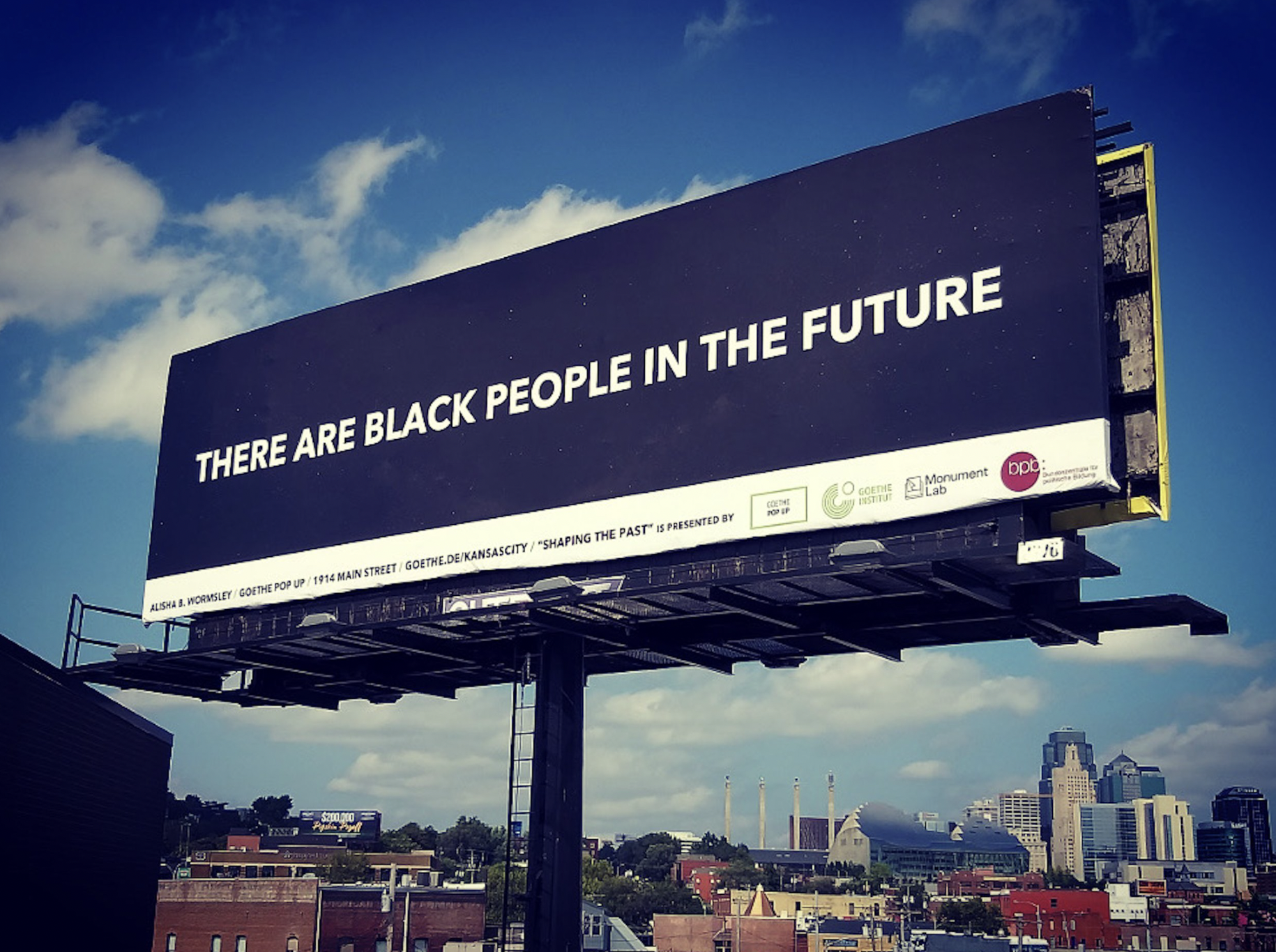
On May 25, 2020, while the world isolated from the COVID-19 pandemic, a police officer was choking out an unarmed Black man named George Floyd. During this time, I just finished my second semester of a doctoral program and was taking a summer course about Radical Imagination framed around Black Girl Magic. Watching the Black Lives Matter protests was like seeing radical imagination realized. It seemed like many schools, cultural centers, and even politicians promised to meet the demands of the day. And art was everywhere! It was electric to witness through social media and the news the street murals, flags, poems, and performances. Works from artists, such as Alisha Wormsley, reminded the world that “There are Black people in the future”.
One of the most striking images from that summer shows four young, Black ballet dancers, dressed in black leotards and tutus and standing with their hands in fourth position, on the base of the Robert E. Lee monument in Richmond, Virginia (follow their work here). The base is covered in graffiti from the protests. The juxtaposition of the classical imagery of a Dega-esque ballerina with the urban aesthetic of graffiti and protest served that the arts are for everyone, and this has always been true. This photograph also is a reminder that the past lives in the present, and the historical narrative is not controlled by white voices. As I learned that spring, the truth stands on its own. Yesterday Kay Ivey, the Governor of Alabama, banned DEI in its public universities, stating it promotes divisive content. Affirmative action was struck down by the Supreme Court, so now schools will not be held accountable for including Black, Brown, Indigenous, Asian, and Queer students in the school demographic. The past is in the present.
The name for Time & Memory Project emerged from a wonderful text message, brainstorm with friends and from a book title by the French philosopher Paul Ricoeur, Time and Narrative. Ricoeur writes about historical memory and the many fallacies in how history is told because the narrative lens is distorted by power and discrimination. In order to understand historical narratives, we must engage with it as if it were a person whose past we want to know.
- Through what source is history taught?
- Who is positioned as powerful and mighty?
- Who is writing and publishing the narrative?
- How were primary resources used in relationship with narrative?
- If no resources can be found, does this mean the narrative ceases to exist? (The truth stands on its own).
- What are the different ways in which we learn history?
- How might we include using art and artifacts in the studying of history?
The above questions show some of what I am asking myself when conducting historical research. Engaging with different learning modalities is important when digging for truth. It allows for more information to seep into our consciousness because we are involving both our felt and unfelt senses. My wish is for the Time & Memory Project to help people think differently about ways of knowing, learning, remembering, and memorializing. Art is the vehicle through which I interpret the world, so I will be sharing artworks that reflect ways the past lives in the present. Another essential component of Time & Memory is projecting into the future by allowing the past to move through time to see what it shows us. When George Floyd was murdered, the world erupted in protest. Through the protest art, we were shown a world that was full of possibility, regardless of whether or not white people are able to make room for Black lives to matter. The feeling of these cries for racial equity showed me how important it is to project hope for the future. The past is filled with rich, diverse stories that show history as an interconnected web and not a 2D timeline. Accepting that perspectives live outside of our imaginations is a big step towards making peace with the past. When we reckon with the past, we make room for futures beyond our wildest dreams.