Exploring Human Injustices Through Art

August 7, 2016

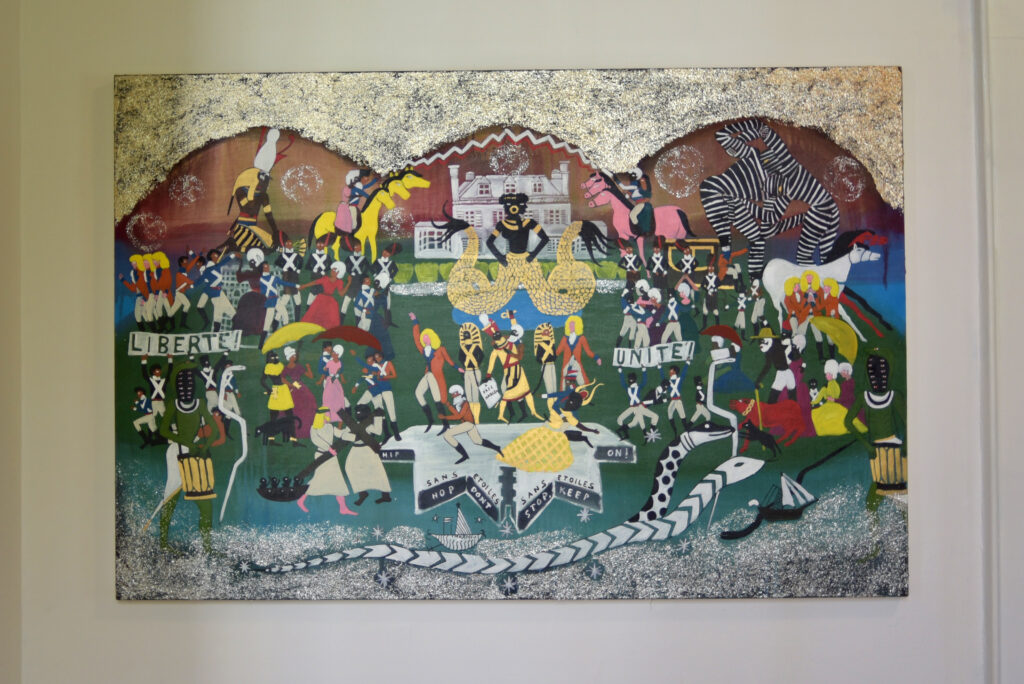
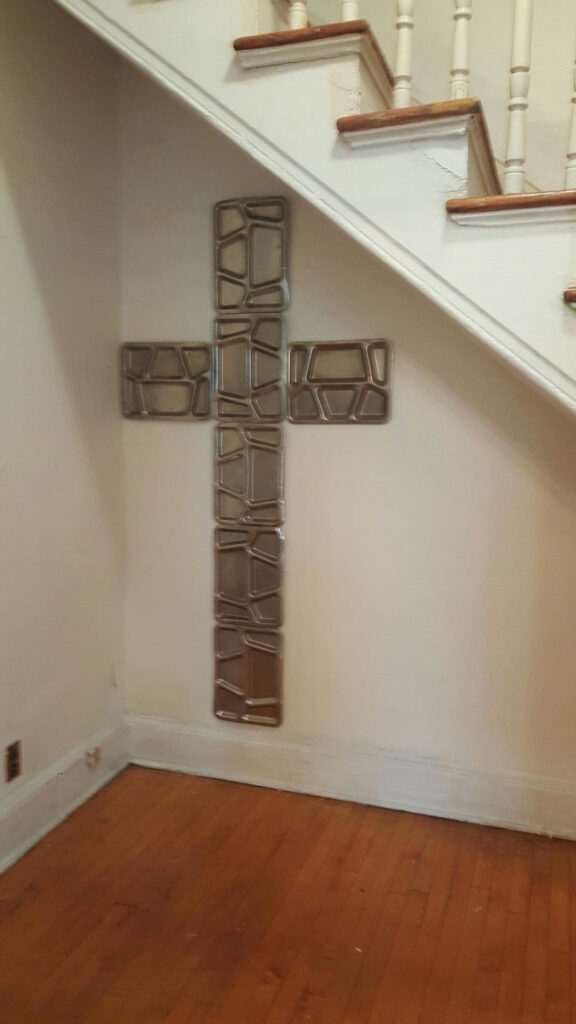
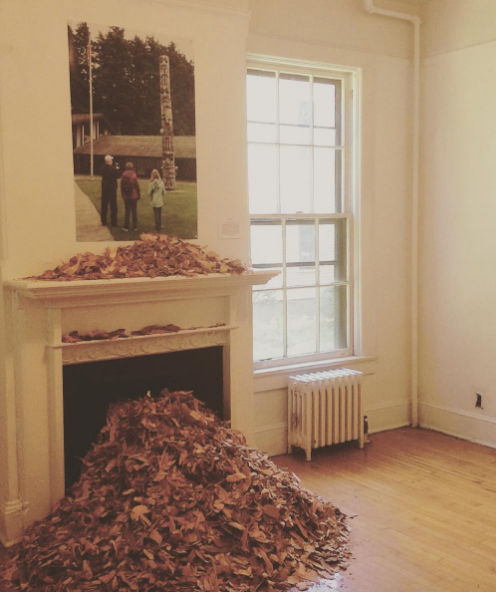
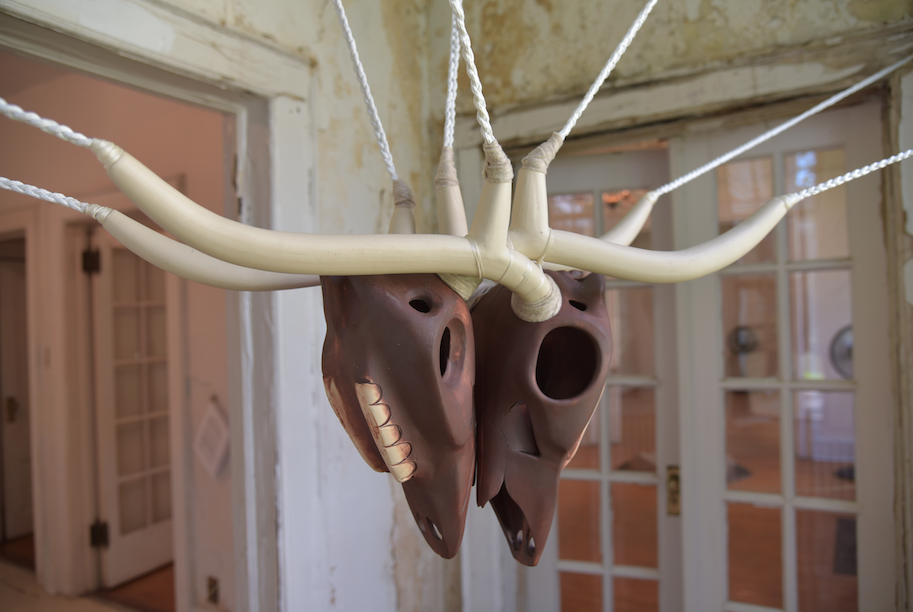
Launched in 2016, Exploring Human Injustices Through Art was a public art exhibition to explore racial injustices specific to Indigenous, African, and African American peoples during the American Revolution. The exhibition was housed in a nineteenth-century home at Nolan Park, Governors Island, NY, with the history of the island serving as inspiration for the show. Governors Island is the ancestral homelands of the Lenape. It’s colonized history began in the 17th Century with the arrival of the Dutch. Please. Exploring Human Injustices Through Art begins its historical exploration of the land as an archive. 

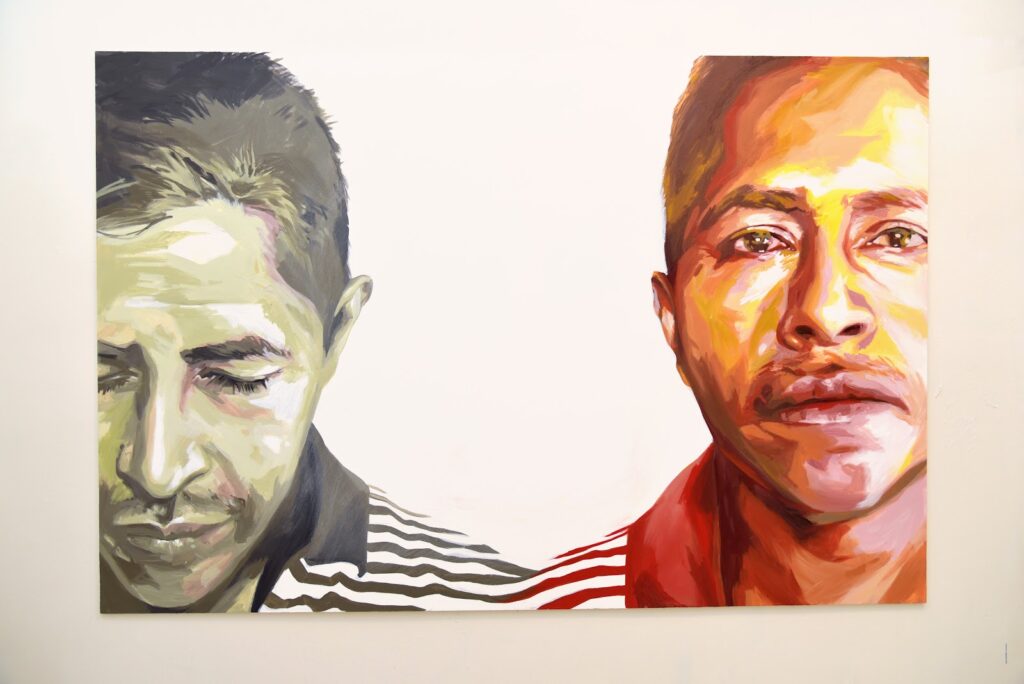
Nine contemporary artists “responded” to excerpts from documents written by leaders of the time to show that racism today still bears a startling resemblance to racism from over 250 years ago. The document excerpts were positioned on the walls next to the artworks. Themes of nationalism, exploitation of Black and Indigenous bodies, broken promises, and genocide leaped off the walls of a 170-year-old gallery space that holds its own stories. Alongside the exposure of mass historical trauma were artworks that hold true knowledge pathways of resilience, identity, community, shared experience, empowered learning, empathy, and healing.

Jess X Snow performing a poem at the opening of Exploring Human Injustices through Art

Colonialism & Black Liberation

Slavery in the United States was central to the colonizer mentality that believed in consumption and accumulation as a divine right. Consumption and accumulation was about controlling land and its people, to have the world available to serve the white man. The belief that Europeans could go to a “New World” and start fresh was about conquering what already existed and claiming to be the founders. When I was a classroom teacher, my students would ask how come more enslaved people didn’t rebel. I did not know that there were constant rebellions: organized, spontaneous, large, and individual. Enslaved people ran, fought, outwitted, and organized against these colonial belief systems from the 1620s until the end of the Civil War in 1865.

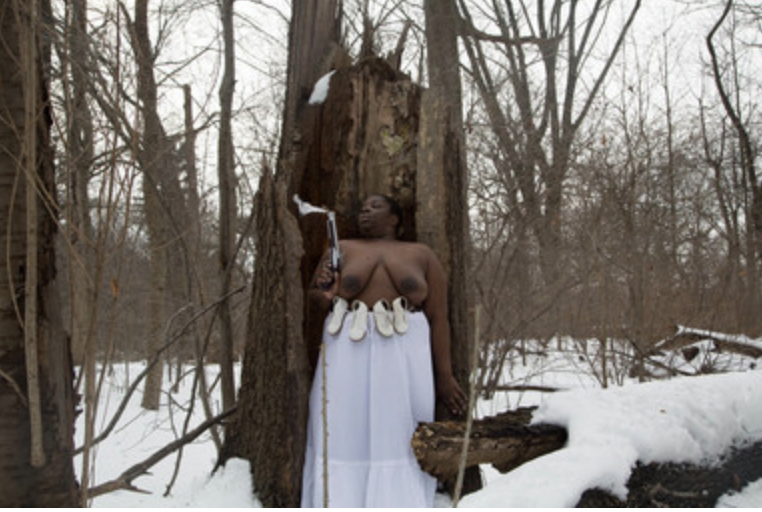
Not Gone with the Wind and Lobbying the Gods for a Miracle by Nona Faustine
Self-portraiture allows me to respond to those images of people who were put on display as example…

Colonialism & Policing

One of the biggest forces that emerged from slavery in the United States is the police. The artists capture the impact of colonialism on policing in unique ways that highlight the accumulation of bodies killed by police and the ongoing ways in which police degrade and humiliate the people they capture. Policing was born out of a need to control the rapidly increasing number of enslaved Africans to suppress any act of rebellion. The law was and is used to enforce difference: one side of it being good and the other bad. Shoot first, ask questions later. We see this playing out time and again with no accountability for police violence.

...and counting by Ann Lewis
. . . and counting is an interactive installation that presents the facts around each police-invol…

American Genocide

You Are on Indisneyian Land by Nicholas Galanin
Culture cannot be contained as it unfolds. My art enters this stream at many different points, look…
Champion by Cannupa Hanska Luger
Champion is the penultimate truth of masculinity. It is the manifestation of power and control tha…

Colonialism and Immigration

Se Siento El Miedo, 2016 by Michelle Anglea Ortiz
Se Siento El Miedo captures video stills of my “Familias Separadas” project, which documents t…

Identiting Shaping in the Wake of Colonialism

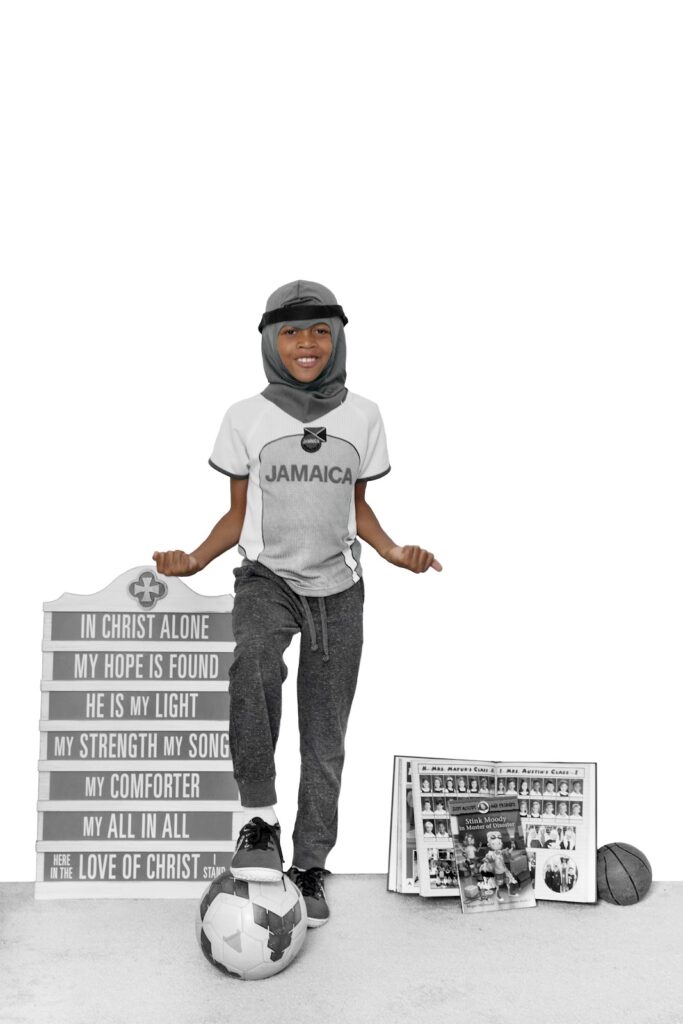
I'm Kennedy, 2016; I'm William, 2016 by Jen Painter
In their portraits, each child surrounds him/her self with objects and words. The objects are most…
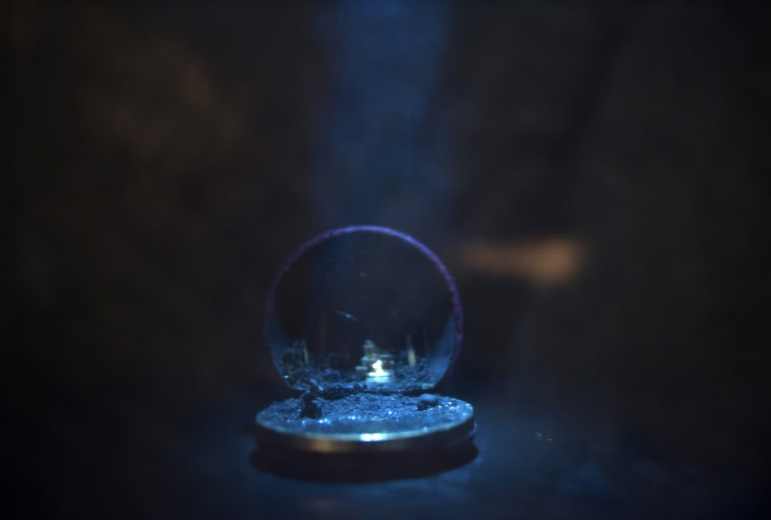
The Last Day They Dare Whip Us, 2016; As Far As I Remember, 2016 by Talwst (Curtis Santiago)
Curtis “Talwst” Santiago is a Canadian-Trinidadian artist working in mixed media and performance pra…
Time & Memory Project