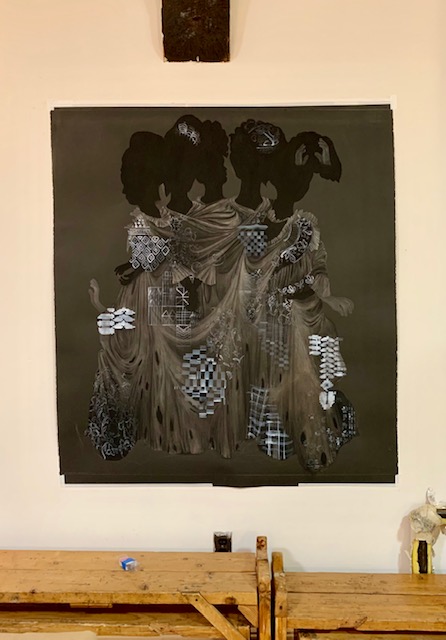
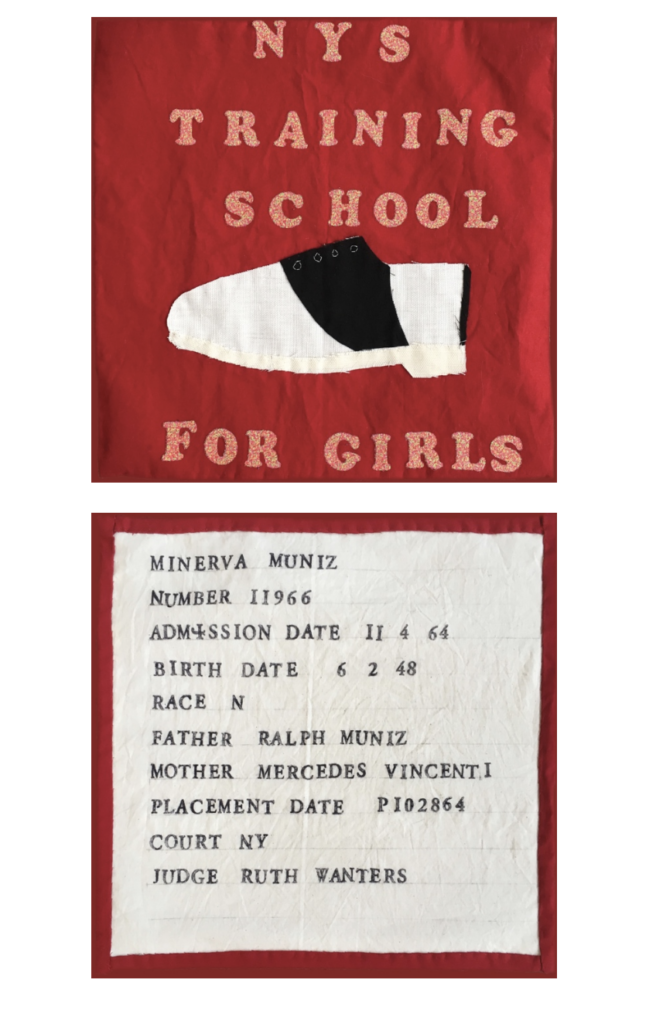
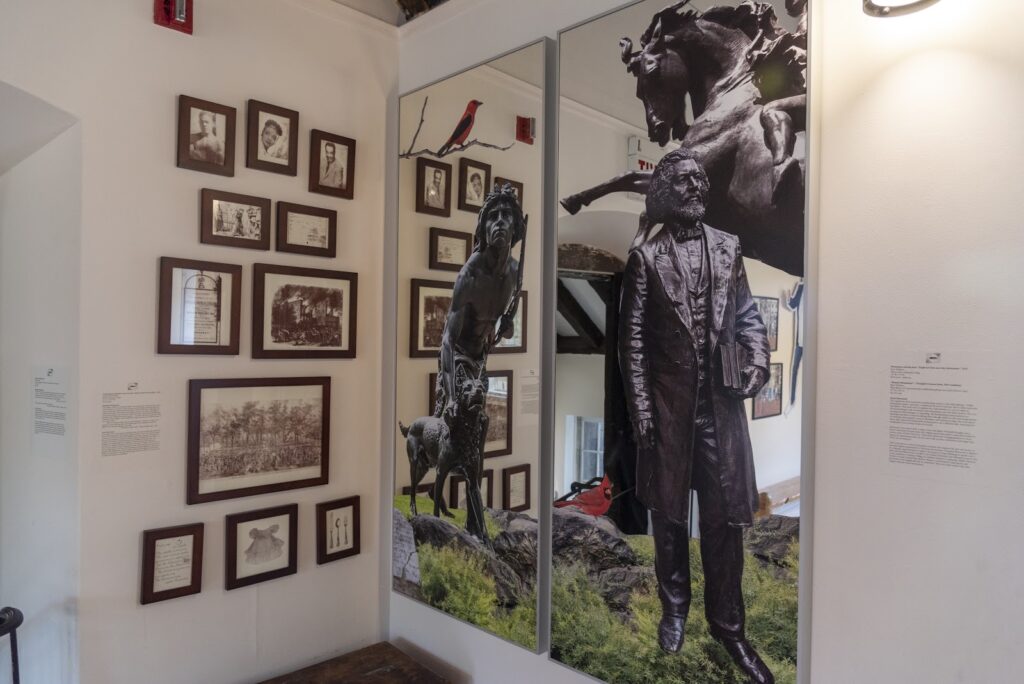
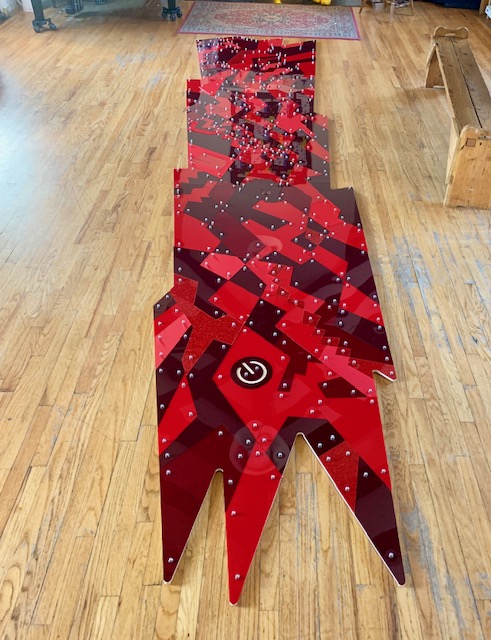
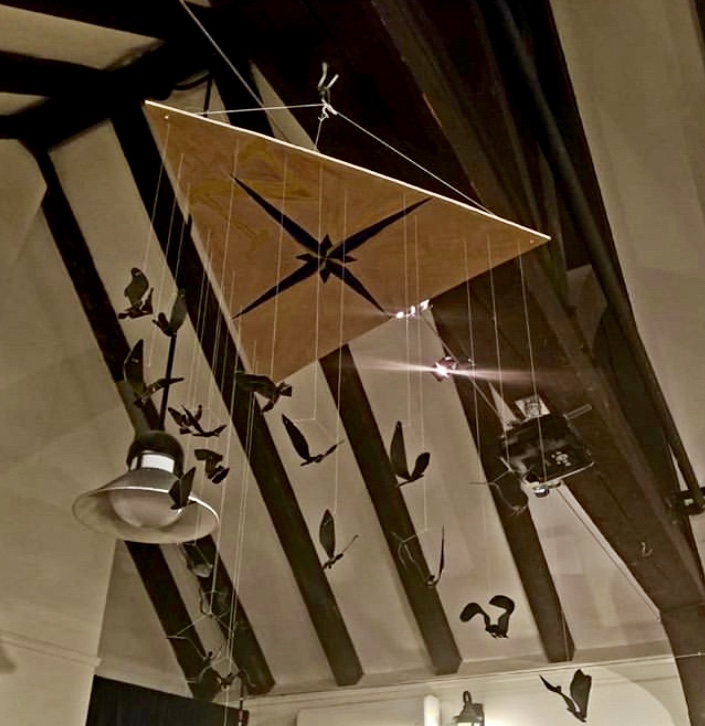
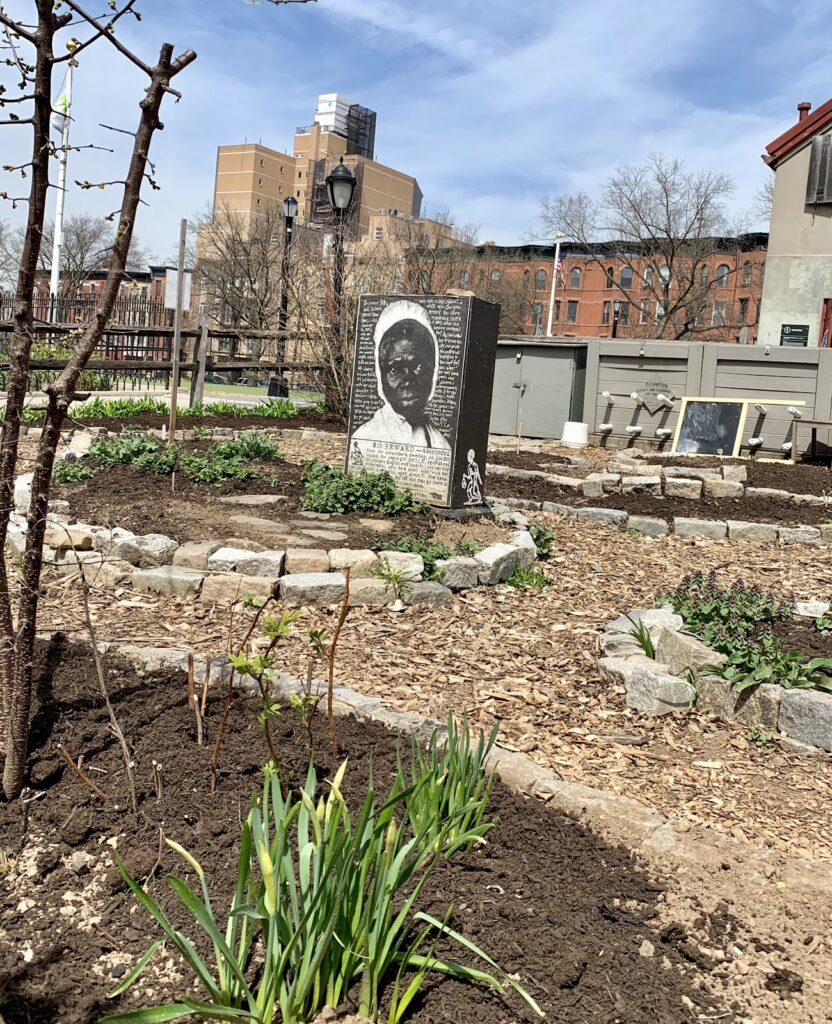
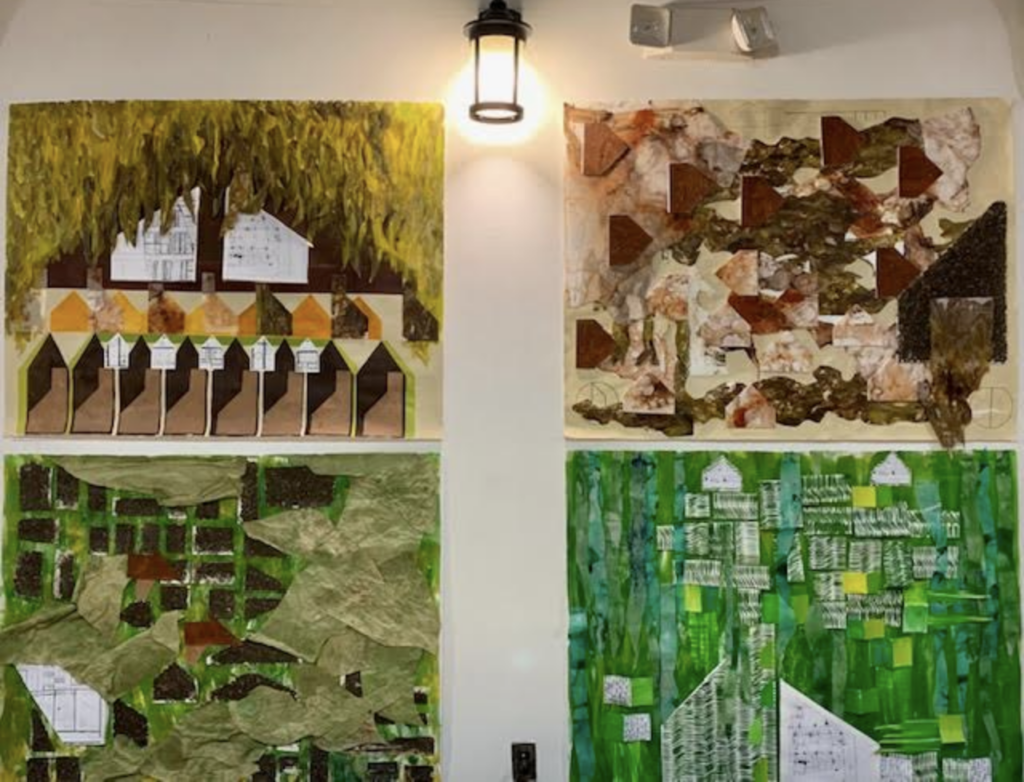
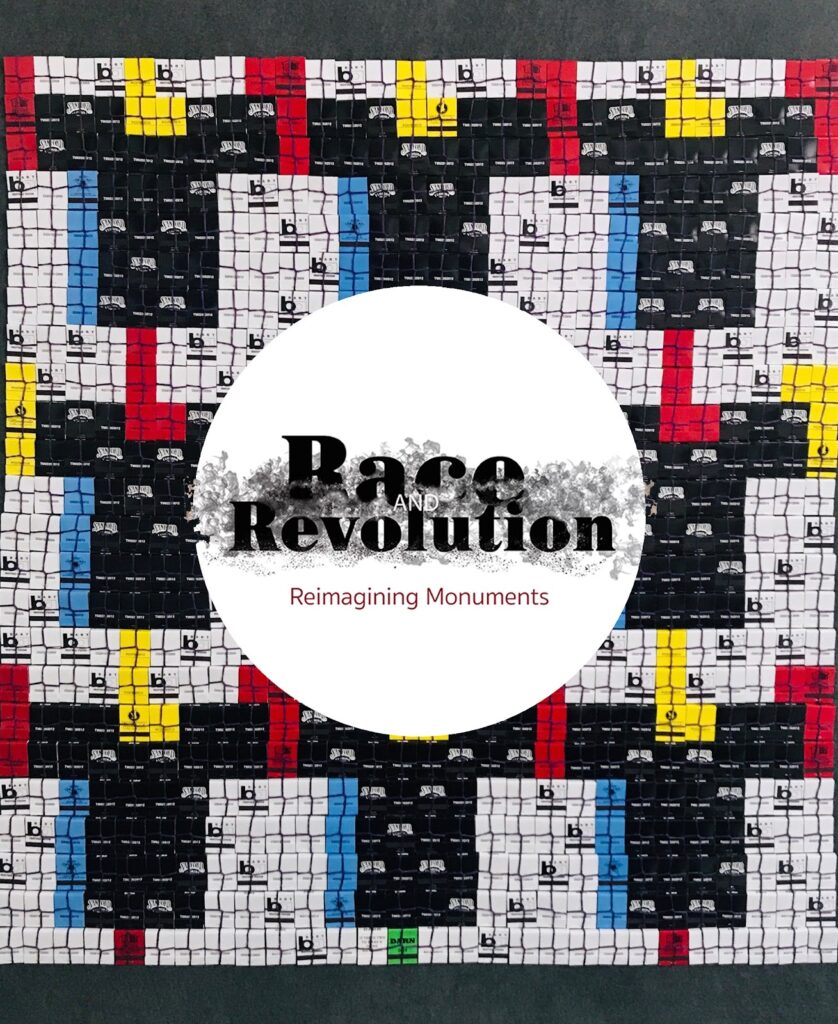
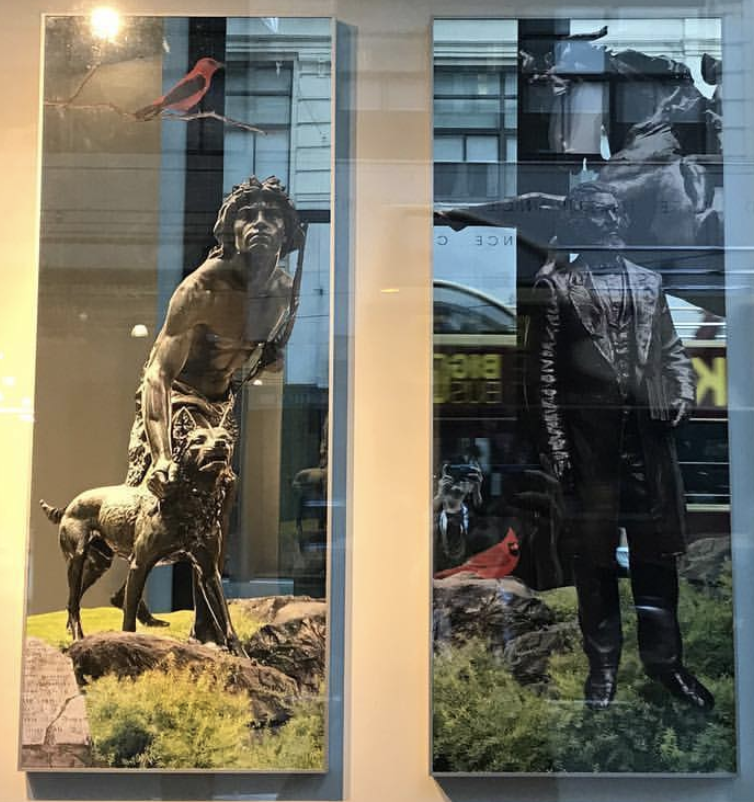
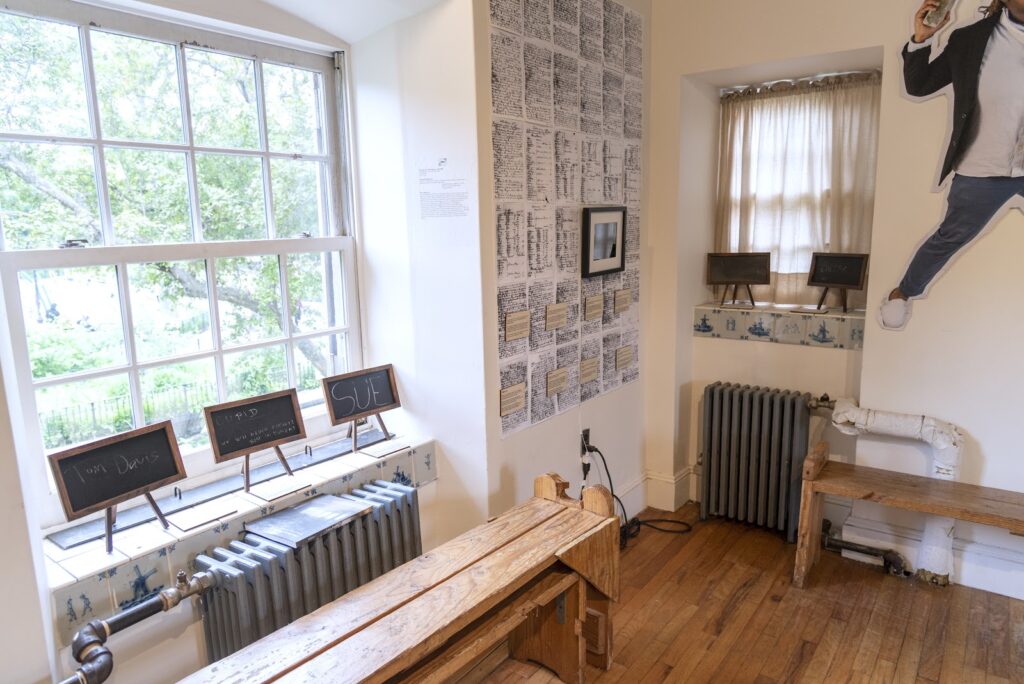
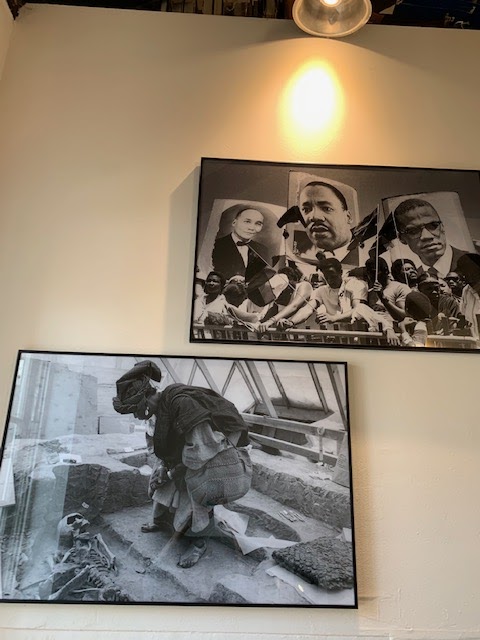
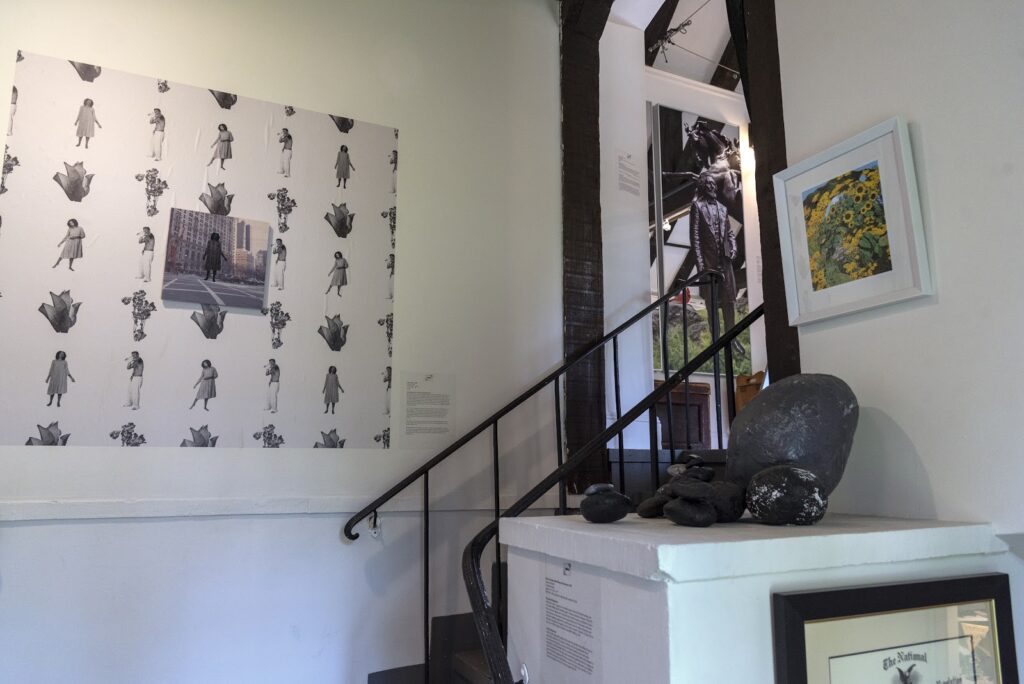
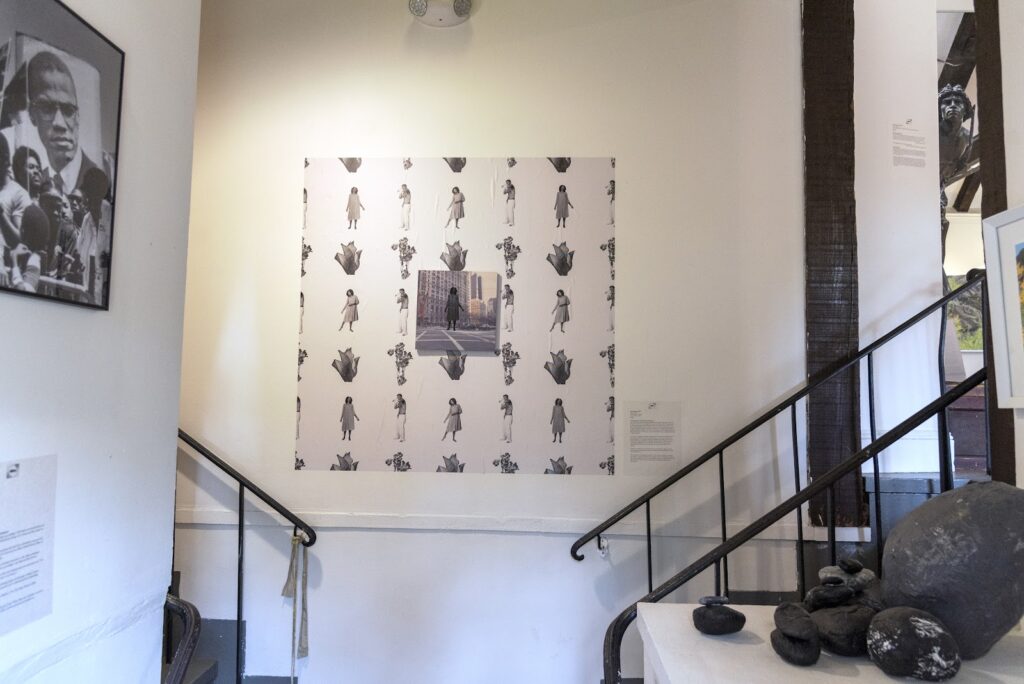
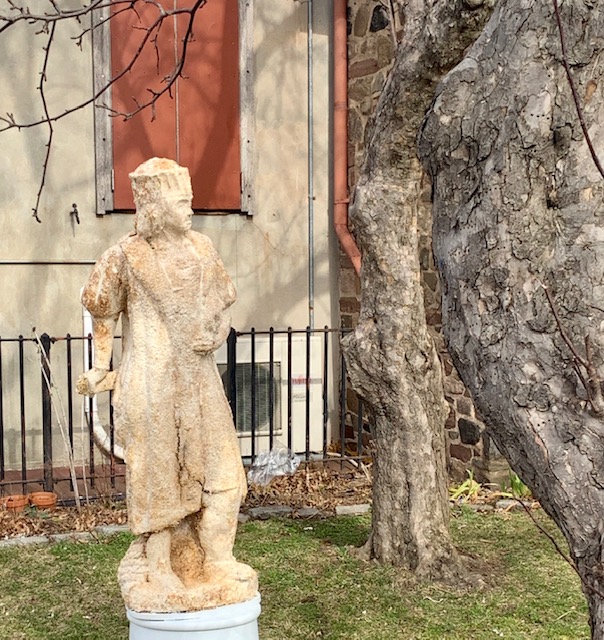
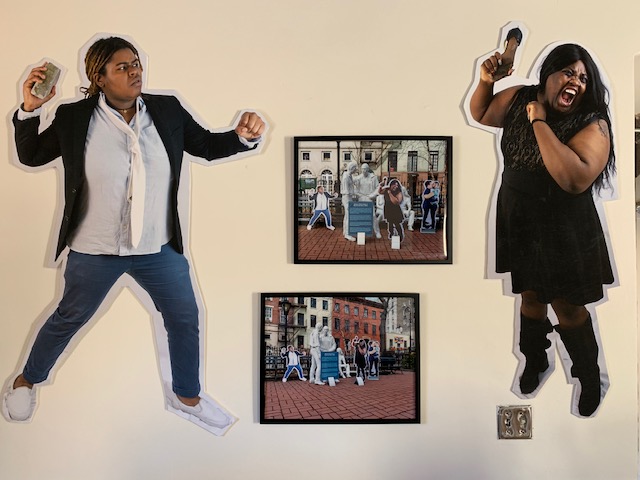
Reimagining Monuments questioned the relationship between historical memory and historical monuments and the implications for histories that remain absent. Sixteen artists responded to existing New York monuments or to sites they felt should have a monument. Placed alongside the artists’ work, quotations from historical documents about the corresponding monuments or sites opened up dialogue regarding a need to re-examine these physical, selective sound bites of memory.
Through drawings, quilts, interactive sculptural pieces, public art and paintings the sixteen artists created inclusive, dimensional histories. Their works address the often debated controversies around such figures as Christopher Columbus, George Washington and J. Marion Sims, and also offer insight into how collective thinking has shaped New York’s story, confronting not only what we remember and memorialize, but how.
The exhibition was hosted by the Old Stone House of Brooklyn, itself a historic site. Built in 1699 as a Dutch homestead, the Old Stone House was a pivotal site during the Battle of Brooklyn in 1776, and it was the first home of the Brooklyn Dodgers. In the 1930s Robert Moses reconstructed the house using the original stones on the exterior. Today the house and its surrounding park is a gathering place for Brooklyn families, and it hosts weekly events and school groups.